Dubai has transformed from a modest fishing village into one of the world’s most spectacular cities, earning its reputation through architectural marvels, luxurious experiences, and attractions that push the boundaries of imagination. The emirate welcomes over 16 million international visitors annually, all drawn to experience the famous places that have made Dubai synonymous with superlatives—tallest, largest, most luxurious, and most innovative.
This comprehensive guide explores Dubai’s most famous places, from iconic landmarks like Burj Khalifa and Palm Jumeirah to hidden gems in historic Bur Dubai and vibrant Deira. Whether you’re planning a romantic getaway, family vacation, or solo adventure, Dubai offers experiences that cater to every interest and budget. The city’s remarkable ability to blend traditional Arabian culture with futuristic innovation creates a destination unlike any other on Earth.
For comprehensive trip planning, explore our guides to top 10 must-visit attractions in Dubai and best Dubai attractions for first-time visitors.
Top 10 Famous Places to Visit in Dubai
The following table provides a quick overview of Dubai’s most iconic attractions, helping you plan your itinerary efficiently:
| Rank | Famous Place | Category | Must-See Feature | Typical Duration |
|---|---|---|---|---|
| 1 | Burj Khalifa | Architecture | World’s tallest building | 2-3 hours |
| 2 | Dubai Mall | Shopping | World’s largest mall | 3-4 hours |
| 3 | Palm Jumeirah | Landmark | Artificial island | Half day |
| 4 | Burj Al Arab | Architecture | Iconic sail hotel | 2 hours (external) |
| 5 | Dubai Fountain | Entertainment | Largest choreographed fountain | 30 minutes |
| 6 | Gold Souk | Shopping | Traditional gold market | 1-2 hours |
| 7 | Dubai Marina | Waterfront | Modern yacht harbor | 2-3 hours |
| 8 | Museum of the Future | Culture | Futuristic innovation | 2-3 hours |
| 9 | Dubai Creek | Heritage | Historic waterway | 1-2 hours |
| 10 | Jumeirah Beach | Recreation | Public beach | 2-4 hours |
Burj Khalifa: The Icon of Dubai
Standing at an awe-inspiring 828 meters with 163 floors, Burj Khalifa dominates Dubai’s skyline and holds the title of world’s tallest building. This architectural masterpiece has become synonymous with Dubai itself, representing the emirate’s ambition and capability to achieve the seemingly impossible. According to forum posts, some must-see attractions in Dubai include the Burj Khalifa, Dubai Mall, and the Dubai Fountain Walk Bridge.
Visiting At The Top
The observation decks on levels 124 and 125 offer breathtaking 360-degree views of Dubai’s cityscape, the Arabian Gulf, and the vast desert beyond. On clear days, visibility extends over 80 kilometers, providing perspectives that transform your understanding of Dubai’s scale. The outdoor terrace allows you to step outside and experience the height firsthand, with safety glass barriers that don’t obstruct the views.
Ticket Information:
- Level 124 & 125: Standard observation deck experience
- Level 148: Sky lounge – highest observation deck globally
- Prime hours (sunset): Premium pricing
- Children under 3: Free entry
- Advance booking recommended to secure preferred time slots
The journey to the top begins with a multimedia presentation about Dubai’s transformation, followed by the world’s fastest elevator ride—traveling at 10 meters per second. The entire experience, from entry to descent, typically requires 2-3 hours, though sunset visitors often stay longer to watch the city transform as lights illuminate the urban landscape below.
Combining Burj Khalifa with Dubai Mall
Most visitors combine their Burj Khalifa visit with Dubai Mall exploration, as the tower’s entrance sits within the mall complex. This allows you to shop, dine, and experience multiple attractions in one location. The Dubai Fountain shows, visible from certain Burj Khalifa angles, sync perfectly with mall visits.
Dubai Mall: More Than Just Shopping
Describing Dubai Mall as merely a shopping center grossly understates its significance. This isn’t just the world’s largest mall by total area—it’s a comprehensive entertainment destination that rivals theme parks in its attractions and experiences. About the size of 200 soccer pitches, the Dubai Mall is an architectural marvel with everything under its roof.
Dubai Mall Famous Places Within
Dubai Aquarium & Underwater Zoo houses over 140 species of marine life in a massive suspended tank that holds 10 million liters of water. Walking through the 48-meter tunnel as sharks, rays, and thousands of fish swim overhead creates surreal experiences that delight visitors of all ages. The underwater zoo extends the experience with exhibits showcasing different aquatic ecosystems.
VR Park Dubai delivers cutting-edge virtual reality experiences across augmented reality, virtual reality, and experiential rides. This indoor theme park uses technology to create impossible adventures—from dinosaur encounters to extreme sports simulations—all in climate-controlled comfort.
KidZania operates as an indoor city where children aged 4-16 experience adult careers through role-playing. This educational entertainment concept lets kids try being doctors, firefighters, journalists, or dozens of other professions in a safe, supervised environment designed to look like a real city.
The Dubai Fountain sits in the Burj Lake outside the mall, performing choreographed shows every 30 minutes in the evenings. The fountain shoots water up to 150 meters high—equivalent to a 50-story building—synchronized to music ranging from classical to contemporary Arabic and world music. Watching from the mall’s outdoor terraces provides free entertainment that rivals any paid show globally.
Shopping and Dining Options
With over 1,200 retail stores spanning luxury boutiques to affordable fashion, electronics to homeware, Dubai Mall caters to every shopping preference and budget. The Fashion Avenue section houses the world’s top luxury brands in an elegant setting. Souk sections recreate traditional market atmospheres with gold and jewelry vendors.
Dining options exceed 200 outlets, from quick food court meals to fine dining experiences at celebrity chef restaurants. This variety ensures nobody goes hungry regardless of dietary preferences, budgets, or culinary curiosities.
Palm Jumeirah: Engineering Marvel
Palm Jumeirah stands as one of Earth’s most ambitious engineering projects—an entirely artificial archipelago shaped like a palm tree, visible from space. This iconic island has become synonymous with Dubai’s ability to literally reshape geography to achieve its vision. The palm’s trunk, 16 fronds, and surrounding crescent together added 78 kilometers of new coastline to Dubai.
Experiencing the Palm
The monorail connects the Palm’s trunk to the mainland, offering elevated views as you travel to Atlantis, The Palm at the crescent’s apex. This journey itself becomes an attraction, showcasing the palm’s remarkable design and the luxury properties lining its fronds. Each frond houses villas and apartments with private beaches, representing some of Dubai’s most exclusive real estate.
Atlantis, The Palm dominates the crescent with its distinctive pink architecture and comprehensive resort facilities. While staying overnight commands premium prices, day visitors can experience:
- The Lost Chambers Aquarium: Atlantis-themed underwater exhibits with over 65,000 marine animals
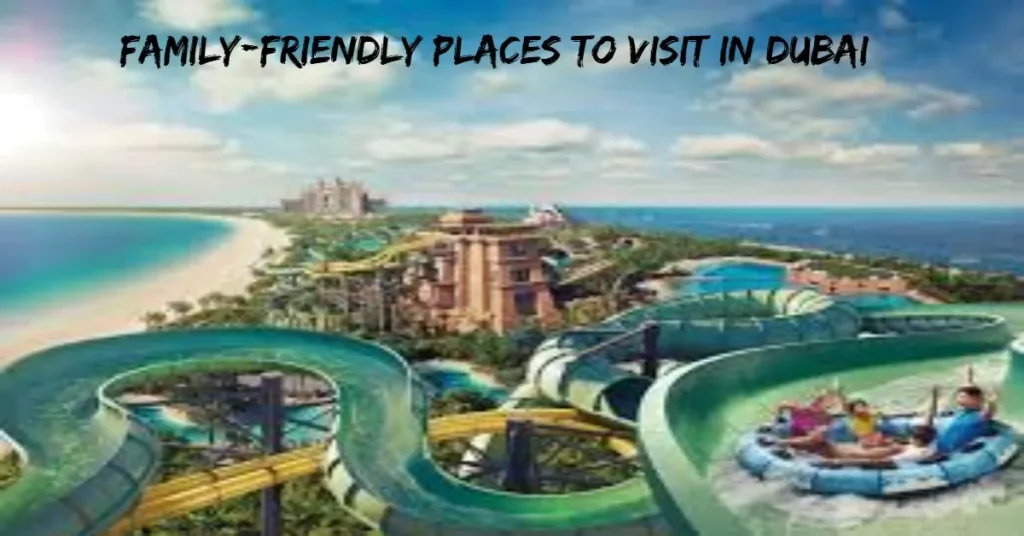
- Aquaventure Waterpark: One of the Middle East’s largest waterparks with record-breaking slides
- Dolphin Bay: Interactive experiences with dolphins in beautiful lagoons
- Multiple restaurants: Including celebrity chef outlets and beachfront dining
The View at The Palm observation deck on the 52nd floor of Palm Tower provides unparalleled perspectives of the palm’s shape, Dubai’s skyline, and the Arabian Gulf. The outdoor terrace at 240 meters height offers thrilling vantage points, while the indoor areas provide air-conditioned comfort with floor-to-ceiling windows.
Beach Clubs and Dining
Numerous beach clubs along the crescent offer day access to private beach areas, pools, and restaurants. These venues transform beach visits from simple sun-and-sand experiences into full lifestyle events with music, food, drinks, and social atmospheres. Reservations are typically required, especially for weekends and peak season.
Burj Al Arab: The Sail of Dubai
The Burj Al Arab’s distinctive sail-shaped silhouette has become as iconic to Dubai as the Eiffel Tower is to Paris or the Opera House to Sydney. Standing on its own artificial island 280 meters offshore, connected by a curved private bridge, this luxury hotel operates as a symbol of Dubai’s hospitality excellence. While technically classified as five-star, it often self-promotes as “seven-star” to emphasize its extraordinary luxury standards.
Visiting Burj Al Arab
Access to Burj Al Arab requires reservations for dining, afternoon tea, or spa services, as casual visitors cannot simply walk in. However, the experience justifies the expense for special occasions. The interior features lavish decoration with gold leaf, marble, and opulent fabrics creating spaces that feel more palace than hotel.
Afternoon Tea at Sahn Eddar provides the most accessible Burj Al Arab experience. The ground floor atrium lounge, surrounded by a 180-meter-tall atrium reaching to the building’s apex, serves traditional afternoon tea with contemporary twists. While prices reflect the venue’s exclusivity, the experience includes not just food but access to this architectural wonder.
Al Mahara restaurant immerses diners in an underwater world, with floor-to-ceiling aquarium windows displaying marine life while you enjoy seafood specialties. Al Muntaha, perched 200 meters above the Arabian Gulf at the building’s tip, offers European fine dining with views that extend across Dubai’s coastline.
For those preferring external appreciation, the public beach adjacent to Burj Al Arab provides perfect photo opportunities. Sunset particularly enhances the building’s dramatic appearance, with golden light reflecting off its white and gold facade.
Dubai Fountain: World’s Largest Choreographed Fountain
While technically free to watch, the Dubai Fountain in Burj Lake delivers entertainment that rivals ticketed shows worldwide. This choreographed fountain system shoots water as high as 150 meters—taller than a 50-story building—through 6,600 lights and 50 color projectors creating visual spectacles synchronized to music.
Show Schedule and Best Viewing
Performances run every 30 minutes from 6:00 PM to 11:00 PM daily, with afternoon shows at 1:00 PM and 1:30 PM on Fridays. Each show lasts approximately 5 minutes, featuring different music selections that range from classical Arabic pieces to contemporary international hits and traditional Emirati songs.
Optimal viewing locations include:
- Dubai Mall waterfront promenade: Free access with multiple viewing angles
- Restaurants overlooking the fountain: Reserved seating with dining
- Dubai Fountain Lake Ride: On-water experience during shows (AED 65 per person)
- Burj Khalifa observation decks: Aerial perspective of performances
The variety of music ensures repeat viewing never grows stale. Classical selections like “Time to Say Goodbye” showcase the fountain’s grace, while contemporary Arabic music demonstrates its cultural connections, and popular songs like “Thriller” reveal its playful side.
Museum of the Future: Tomorrow Today
Opening in February 2022, the Museum of the Future instantly became one of Dubai’s most photographed landmarks. The torus-shaped building covered in Arabic calligraphy represents innovation’s endless nature, with the calligraphy featuring quotes from Sheikh Mohammed bin Rashid Al Maktoum about the future. The structure itself won architectural awards for its innovative design that eliminates pillars through advanced engineering.
Inside the Museum
Rather than displaying artifacts from the past, this museum explores possible futures through immersive exhibitions. Visitors journey to a space station in 2071, explore solutions to climate change, examine healthcare innovations, and interact with AI-driven experiences that demonstrate tomorrow’s technologies today. Each floor focuses on different future scenarios, encouraging visitors to think critically about humanity’s path forward.
The experience typically requires 2-3 hours to fully explore all exhibitions and interactive elements. Advance ticket booking is essential, as daily capacity limits maintain comfortable crowd levels that enhance rather than hinder the immersive experiences.
Traditional Dubai: Bur Dubai Famous Places
While modern Dubai attracts headlines, the historic Bur Dubai district preserves the emirate’s heritage through carefully maintained souks, traditional architecture, and cultural sites that tell stories of life before oil wealth transformed everything.
Al Fahidi Historical Neighborhood
This restored heritage district showcases traditional Emirati architecture with wind towers (barjeel) that provided natural air conditioning in the pre-electricity era. Narrow lanes wind between restored buildings housing art galleries, museums, cultural centers, and cafés. Walking these alleyways transports visitors to 19th-century Dubai, creating stark contrast with the futuristic skyline visible just kilometers away.
Dubai Museum occupies Al Fahidi Fort, Dubai’s oldest existing building dating to 1787. The museum chronicles Dubai’s transformation through dioramas, artifacts, and multimedia presentations. The underground galleries recreate traditional souks, pearl diving boats, and desert life, providing context that helps visitors understand the magnitude of Dubai’s transformation.
The Souks of Bur Dubai
Textile Souk along Dubai Creek specializes in fabrics from India, Pakistan, and beyond. The covered market provides shade while you browse thousands of fabric options—silk, cotton, wool, synthetics—in every color imaginable. Tailors in the surrounding area can transform your fabric selections into custom clothing within days.
Meena Bazaar area caters to the large Indian and Pakistani expatriate communities with shops selling traditional clothing, jewelry, spices, and household items. The atmosphere here feels authentically subcontinental, reflecting Dubai’s multicultural character. Small restaurants serve authentic regional cuisines at prices far below tourist-oriented establishments.
Dubai Creek and Abra Rides
Dubai Creek, the natural seawater inlet that made Dubai’s early economy possible, continues serving as both waterway and heritage site. Traditional wooden abra water taxis ferry passengers between Bur Dubai and Deira for just AED 1 per crossing—Dubai’s best transport bargain. The five-minute journey offers unique perspectives of both old and new Dubai, with traditional dhows moored alongside modern developments.
Longer creek cruises on traditional dhow boats operate in evenings, typically including buffet dinners and entertainment. These cruises range from budget-friendly group experiences to luxury private charters, all showcasing Dubai’s waterfront heritage.
Deira Dubai Famous Places
Across Dubai Creek from Bur Dubai, Deira represents Dubai’s traditional commercial heart. This district buzzes with activity as traders, shoppers, and residents navigate souks and markets that have operated for generations.
Gold Souk: Glittering Heritage
The covered Gold Souk houses over 300 retailers in traditional architecture, creating one of the world’s largest gold markets. Display windows gleam with gold jewelry in every style imaginable—traditional Arabic designs, contemporary pieces, Indian ornate styles, European elegance. The sheer volume of gold—estimated at 10 tons on display at any time—overwhelms first-time visitors.
Prices are determined by weight and current gold rates, with shopkeepers calculating costs on calculators rather than fixed pricing. Haggling is expected and enjoyed, with 25-30% discounts from initial asking prices considered reasonable starting points. The souk’s certification systems and government oversight ensure quality standards, making it safe for serious jewelry investments.
Spice Souk: Aromatic Experience
Adjacent to the Gold Souk, the Spice Souk awakens senses with aromatic herbs, spices, nuts, and dried fruits from across the Middle East, Asia, and Africa. Vendors enthusiastically explain their products, offering samples and sharing recipe suggestions. The variety exceeds what typical supermarkets stock, with rare spices, medicinal herbs, and traditional incense creating authentic Middle Eastern market atmosphere.
Beyond spices, these shops sell traditional remedies, natural cosmetics like rosewater and argan oil, and bakhoor (fragrant wood chips burned for traditional scents). Prices here significantly undercut tourist-oriented shops elsewhere in Dubai.
Al Ras and Heritage Area
Al Ras quarter preserves Deira’s historical character through traditional architecture and cultural sites. The Heritage House provides glimpses into prosperous pre-oil Emirati family life through restored rooms with period furnishings. The surrounding area’s narrow streets and old buildings contrast dramatically with modern Dubai, offering photographers authentic cultural backdrops.
Dubai Marina: Modern Waterfront Living
Dubai Marina represents the city’s contemporary face—a entirely man-made marina district with a 3-kilometer canal lined by soaring residential towers, waterfront restaurants, and yacht berths. This district showcases how Dubai continues expanding through ambitious engineering projects that create new urban environments from scratch.
The Marina Walk
The pedestrian promenade lining both sides of the marina canal creates one of Dubai’s most pleasant walking experiences, particularly during cooler months. The pathway extends several kilometers, lined with restaurants, cafés, and retail outlets. Evening visits offer the best atmosphere as temperatures drop, lights illuminate the towers, and restaurants fill with diners enjoying alfresco meals.
The Beach at JBR (Jumeirah Beach Residence) connects to Marina Walk through a short distance, providing access to sandy beaches, water sports, and the retail outlets at The Walk. This open-air shopping district features international brands, entertainment options, and diverse dining in a beach-resort atmosphere.
Marina Activities
Yacht cruises departing from Dubai Marina range from budget-friendly group tours to luxury private charters. Sunset cruises particularly appeal to romantics and photographers, while dinner cruises combine sightseeing with meals and entertainment. Most cruises navigate past Marina towers, Palm Jumeirah, Atlantis, and Burj Al Arab, providing water-level perspectives of Dubai’s landmarks.
Dubai Marina Mall provides climate-controlled shopping and dining when heat prevents outdoor comfort. While smaller than mega-malls like Dubai Mall or Mall of the Emirates, it offers convenient access to international brands and restaurants for Marina residents and visitors.
Places to Visit in Dubai for Free
Dubai’s reputation for luxury sometimes obscures the numerous free experiences available throughout the city. Smart planning allows budget-conscious visitors to experience Dubai’s highlights without significant expenses.
Free Attractions Table
| Free Attraction | Location | Best Time | Duration |
|---|---|---|---|
| Dubai Fountain Shows | Downtown Dubai | Evening | 30 min |
| Jumeirah Public Beach | Jumeirah | Morning/Evening | 2-4 hours |
| Gold & Spice Souks | Deira | Morning | 1-2 hours |
| Al Fahidi Historical District | Bur Dubai | Morning | 2 hours |
| Dubai Creek Waterfront | Bur Dubai/Deira | Evening | 1 hour |
| JBR Beach & Walk | Marina | Evening | 2-3 hours |
| Green Planet (exterior) | City Walk | Anytime | 30 min |
| Dubai Frame (exterior views) | Zabeel Park | Anytime | Photos only |
For comprehensive free activity planning, explore our detailed guide to best free Dubai attractions.
Public Beaches
Dubai’s coastline features several free public beaches with facilities:
Jumeirah Public Beach (also called Jumeirah Open Beach) provides pristine sand, shallow waters ideal for children, and iconic views of Burj Al Arab. Facilities include restrooms, showers, and lifeguards during daylight hours. The beach rarely feels crowded despite being free, as Dubai’s extensive coastline prevents overcrowding.
Kite Beach attracts active visitors with water sports rentals, beach volleyball courts, jogging tracks, and fitness equipment. The beach’s name derives from kite surfing popularity, with colorful kites often dotting the waters. Food trucks and cafés line the beach, though bringing your own refreshments remains perfectly acceptable.
La Mer Beach combines public beach access with retail and dining developments. While some areas charge entry, significant free beach sections provide access to soft sand and clear water alongside Instagram-worthy street art and photo opportunities.
Dubai Famous Places for Kids and Families
Dubai caters exceptionally well to families, with numerous attractions designed specifically for children or adapted to welcome young visitors comfortably.
Theme Parks and Entertainment
IMG Worlds of Adventure, the world’s largest indoor theme park, provides climate-controlled entertainment across Marvel, Cartoon Network, and Lost Valley themed zones. The indoor setting allows year-round visits regardless of Dubai’s summer heat, with thrilling rides suitable for different age groups.
Legoland Dubai and Legoland Water Park at Dubai Parks and Resorts specifically target families with children aged 2-12. The parks combine rides, shows, and building experiences using the beloved Lego brand. The adjacent Motiongate Dubai brings Hollywood movies to life through themed zones featuring DreamWorks, Columbia Pictures, and Lionsgate properties.
Dubai Aquarium at Dubai Mall has been mentioned, but its significance for families deserves emphasis. Children become mesmerized watching sharks, rays, and schools of fish from the tunnel walk-through. The additional Underwater Zoo and glass-bottom boat rides extend the experience, typically holding children’s attention for hours.
Educational Entertainment
KidZania Dubai at Dubai Mall allows children to experience adult careers through realistic role-playing in a child-sized city. Kids can be firefighters, doctors, journalists, or dozens of other professions, earning kidzos (KidZania currency) that they can spend in the city’s shops. This concept combines fun with valuable life lessons about work, money, and society.
Children’s City in Creek Park focuses on educational entertainment for younger children aged 2-15. Interactive exhibits cover space, nature, human body, and culture through hands-on activities that make learning engaging. The outdoor Science Park surrounding the building extends learning into nature and physical sciences.
OliOli brings interactive learning through eight galleries covering topics from air and water to creativity and construction. This indoor play museum encourages children to explore, experiment, and create in a safe, supervised environment designed by education specialists.
Unique Places to Visit in Dubai
Beyond headline attractions, Dubai hides unique experiences that showcase different facets of the emirate’s character and offerings.
Dubai Miracle Garden
Operating seasonally from October to May when weather allows, the Miracle Garden displays over 150 million flowers arranged in elaborate designs and structures. The highlight includes a full-size Emirates A380 aircraft covered in flowers—a Guinness World Record holder. The garden demonstrates Dubai’s ability to create beauty even in desert conditions, with advanced irrigation systems and climate management sustaining these blooms.
Hatta
While not technically in Dubai city, Hatta sits within Dubai emirate in the Hajar Mountains. This mountain enclave offers hiking trails, heritage villages, kayaking on Hatta Dam, and escape from coastal heat. The journey from Dubai city takes approximately 90 minutes, making it feasible as a day trip for those seeking nature and mountains.
Alserkal Avenue
Dubai’s contemporary art scene centers on Alserkal Avenue in Al Quoz industrial area. This collection of warehouses converted into galleries, studios, and creative spaces hosts exhibitions, performances, and workshops. The area attracts Dubai’s artistic community and those interested in contemporary Gulf art beyond tourist-oriented offerings.
Global Village
Operating seasonally from October to April, Global Village combines cultural pavilions representing countries worldwide, shopping, entertainment, and food in a festival park atmosphere. Each country’s pavilion showcases traditional crafts, foods, and products while performances and shows celebrate cultural diversity. The venue’s seasonal nature and evening-only operations create special-event atmosphere that differs from permanent attractions.
Dubai City Famous Places: Neighborhoods Worth Exploring
Dubai’s character varies dramatically across neighborhoods, each offering distinct atmospheres and attractions.
Downtown Dubai
Downtown represents modern Dubai at its most impressive—Burj Khalifa towers over Dubai Mall, with the fountain and surrounding development creating a purpose-built urban center. The neighborhood also includes:
- Souk Al Bahar: Traditional-style shopping and dining complex
- Dubai Opera: World-class performing arts venue
- City Walk: Outdoor retail and dining district with street art
Jumeirah
This coastal district stretches along Dubai’s coastline, offering beach access, the iconic Burj Al Arab, and primarily residential character with shopping and dining catering to affluent residents and tourists.
Business Bay
Dubai’s rapidly developing business district features modern towers housing offices, hotels, and residences. The Dubai Canal flowing through the district adds scenic waterfront elements, while the area’s modern character appeals to those interested in contemporary urban development.
Planning Your Dubai Famous Places Visit
Suggested Itineraries by Duration
3-Day Dubai Highlights:
- Day 1: Burj Khalifa, Dubai Mall, Dubai Fountain
- Day 2: Palm Jumeirah, Atlantis, Beach time
- Day 3: Old Dubai (Souks, Creek, Al Fahidi), Dubai Marina
5-Day Comprehensive:
- Days 1-3: As above
- Day 4: Museum of the Future, City Walk, Desert Safari
- Day 5: Theme parks or shopping
7-Day In-Depth:
- Days 1-5: As above
- Day 6: Hatta day trip or beach clubs
- Day 7: Additional attractions based on interests
Best Times to Visit
Dubai’s climate significantly impacts which famous places you’ll enjoy most:
Peak Season (November-March): Perfect weather for outdoor attractions, but higher prices and crowds
Shoulder Season (April-May, September-October): Good weather with moderate prices and fewer tourists
Summer (June-August): Focus on indoor attractions; lowest hotel prices despite intense heat
Practical Tips for Visiting Dubai’s Famous Places
Dress Code Considerations
While Dubai maintains relatively liberal dress standards compared to some Middle Eastern destinations, respecting local customs enhances experiences:
- Mosques: Modest dress required (covered shoulders, legs, and hair for women)
- Malls and attractions: Casual clothing acceptable, though revealing attire may attract unwanted attention
- Beaches: Swimwear appropriate on beach itself, but cover up when leaving beach areas
- Fine dining: Smart casual to formal depending on restaurant
Transportation Between Famous Places
Dubai’s sprawling nature means significant distances between attractions. Transportation options include:
Dubai Metro: Connects major areas including downtown, Marina, and airport. Clean, efficient, and affordable.
Taxis and ride-sharing: Readily available and reasonably priced. Uber and Careem operate extensively.
Tour buses: Hop-on hop-off services cover major attractions with commentary.
Private car rental: Offers flexibility but requires confidence navigating Dubai’s roads and parking.
For detailed metro planning, consult our Dubai Metro timing guide. Visit our desert Dubai safari page for all information.
Conclusion: Experiencing Dubai’s Famous Places
Dubai’s famous places represent more than tourist attractions—they embody the emirate’s remarkable transformation and ambitions for the future. From record-breaking engineering marvels like Burj Khalifa and Palm Jumeirah to heritage preservation in Al Fahidi Historical Neighborhood, from luxury retail in Dubai Mall to traditional commerce in Gold Souk, the city offers layers of experiences that reveal different facets of its character.
The key to experiencing Dubai lies in balancing the iconic with the authentic, the modern with the traditional, the luxurious with the affordable. First-time visitors naturally prioritize the famous landmarks that define Dubai’s international image. Return visits allow deeper exploration of neighborhoods, cultural sites, and experiences that reveal the real Dubai beyond postcard images.
Whether you have three days or three weeks, Dubai’s famous places provide enough variety to fill any itinerary while leaving you planning your return visit. The city’s constant evolution means new attractions regularly join the roster of must-see destinations, ensuring Dubai remains fresh even for frequent visitors.
Start planning your Dubai adventure to experience the famous places that have made this desert city one of the world’s most compelling destinations. From architectural achievements to cultural heritage, luxury experiences to budget-friendly adventures, Dubai delivers experiences that create lasting memories and inspire wonder at human achievement.